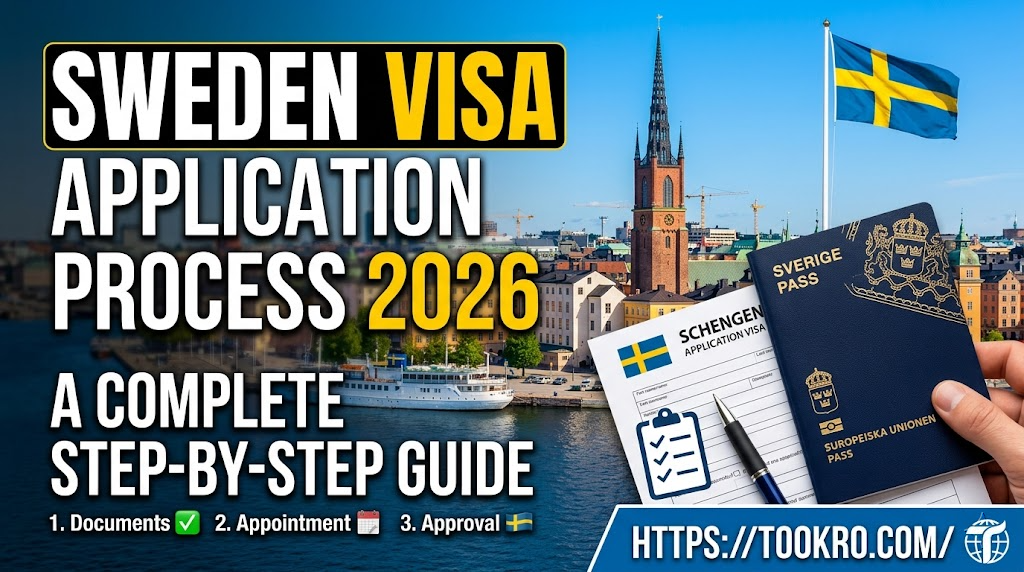
Applying for a Schengen visa often feels like fighting through a maze of outdated travel agent advice and heaps of disorganized files. In 2026, the game has completely changed. With Sweden’s rejection rate hovering around 24% and the rollout of strict new digital border systems, getting approved requires a flawless, tech-savvy approach.
I’ve navigated the Swedish Migration Agency’s stringent rules, and here is exactly how you handle the modern application process—from proving your funds without triggering automatic refusal flags to managing the new digital entry portals.
The 2026 Reality Check: EES and Biometric Tracking
Before you even start printing documents, you need to understand what you are walking into. The biggest shift for travelers in 2026 is the full operational launch of the European Union’s Entry/Exit System (EES).
As of April 10, 2026, the era of physical passport stamps is officially being phased out across external borders. When you cross the Schengen border, your facial scans and fingerprints are logged digitally. The EES automatically calculates your stay to enforce the strict 90-day limit within a 180-day period. Visa officers now assess your application knowing that if you overstay by even a single hour, the system will flag you, alert authorities across 29 countries, and potentially hit you with a digital entry ban.
Logistics: The Journey to VFS Global
Because of centralized processing protocols, most Sweden visa applications globally must be submitted at an official VFS Global Visa Application Centre rather than directly at the embassy.
If you are traveling from a regional town to a major city for your biometric appointment, plan your logistics carefully. Don’t waste money booking an expensive hotel room the night before your appointment if you don’t have to. Instead, book your VFS appointment slot for the late morning or early afternoon, allowing you to utilize premium overnight trains or buses to arrive fresh on the day of your submission.
The Digital Tool Stack for Visa Preparation
Ditch the shady travel agents who rely on copy-paste templates. Visa officers can spot a generic, agent-prepared file from a mile away. Instead, manage your own application using this specific stack of digital tools:
Atlys (For Form Generation): The Schengen application form (No. 119031) is notoriously tedious. Use visa apps like Atlys to scan your passport; its OCR technology instantly extracts your data and pre-fills the PDF perfectly, ensuring zero typographical errors.
TripIt (For Itinerary Management): A vague daily plan leads to automatic rejection. Forward your hotel holds and flight reservations to TripIt. It auto-generates a clean, highly professional master itinerary PDF that you can attach to your cover letter.
Flighty (For Aviation Logistics): Don’t propose a flight itinerary with a 45-minute layover in a massive hub like Frankfurt. Visa officers know it’s impossible. Use the Flighty app to check realistic route data before adding flight holds to your application.
Travel to Europe App (For EES Border Entry): Once you get your visa, Sweden is the first country piloting the EU’s official “Travel to Europe” mobile application. You can use this app to pre-register your biometric passport data and facial image up to 72 hours before your arrival, drastically cutting down your wait time at the Swedish border.
Gathering the Documents: How to Avoid Fatal Errors
The Swedish embassy strictly follows a harmonized document checklist. Missing a single document is grounds for immediate refusal.
Proving Civic Ties via Civil Registries
Visa officers want proof that you have deep roots in your home country and will return home. The best way to prove this is through comprehensive civil status records.
Depending on your local government’s infrastructure, you should provide an official Family Registration Certificate, or a combination of your birth certificate (to prove ties to parents) and a marriage certificate. If these documents are not issued in English or Swedish, you must have them translated by an authorized, certified translator before adding them to your dossier.
The Money Game: Navigating Financial Scrutiny
Inability to prove financial subsistence is the number one cause of Schengen visa rejections. Sweden requires you to prove you have a minimum of 450 SEK per day for your stay.
For a 15-day trip, that means a baseline of 6,750 SEK, exclusive of your flight costs. However, relying on the bare minimum is a huge mistake. Given currency exchange volatility, you should ideally maintain a closing bank balance equivalent to three or four times the bare minimum.
The “Lump Sum” Trap: Do not borrow a massive chunk of money from a friend and deposit it into your bank account a week before printing your statement. Visa officers audit your 6-month transaction history. If they see a sudden, unexplained deposit, they will reject you instantly for “unreliable information”. If you recently sold a car or property to fund your trip, you must provide irrefutable documentary evidence (like a notarized sale deed) alongside your bank statement.
The Danger Zone: Dummy Tickets and Cancelled Hotels
The checklist requires proof of transport and accommodation. This is where most applicants ruin their chances.
Avoid Dummy Tickets: Do not buy a cheap “dummy ticket” from random internet agencies. In 2026, embassies actively audit flight bookings by entering the Passenger Name Record (PNR) directly into the airline’s tracking system. If it shows up as fake, your visa is denied.
The Fix: Use progressive global airlines like Emirates or Qatar Airways. They offer a legitimate service to “hold” a fare and generate a real PNR for up to 72 hours for a small fee. It is a fully verifiable, legitimate booking.
The Hotel Cancellation Trap: You must show reservations for every single night of your stay. While using Booking.com or Agoda for “Pay Later” reservations is standard practice, do not cancel your hotels the minute your visa is approved. Embassies use automated systems to re-verify hotel PNRs. If they see you canceled all your bookings without notifying them of a change in itinerary, they can electronically revoke your visa before you even board the plane.
Insurance, Fees, and the Embassy Interview
Before submitting, ensure you purchase a travel medical insurance policy that is explicitly valid for all 29 Schengen states. The policy must cover a minimum of €30,000 for emergency medical expenses. If your local providers are unreliable, use global digital insurers like AXA Schengen or Patriot International, which often offer full refunds if your visa is rejected.
The Financial Outlay: Be prepared to pay a base fee of €90 for an adult applicant, plus a mandatory VFS service fee of approximately €24. You will pay the equivalent of this total in your local currency at the VFS cash counters. This fee is strictly non-refundable.
The Telephone Interview: While processing takes between 15 to 45 days , the Swedish embassy frequently conducts unscheduled telephone interviews to verify your intent.
When the phone rings, be ready. The officer will test your knowledge of your own itinerary. They will ask questions like:
“Why did you choose Stockholm over other European cities?”
“Who lives with you at your current address?”
“Can you explain the large deposit made to your account last month?”
Answer confidently, transparently, and ensure your verbal answers match your written cover letter perfectly.
Final Thoughts
Successfully securing a Sweden Schengen visa in 2026 is an exercise in extreme diligence and total transparency. The era of relying on informal shortcuts has been permanently closed by digital border systems and rigorous financial auditing. By organizing your digital tool stack, presenting a rock-solid, realistic itinerary, and proving your financial stability with absolute clarity, you can confidently beat the rejection statistics and secure your entry into Europe.